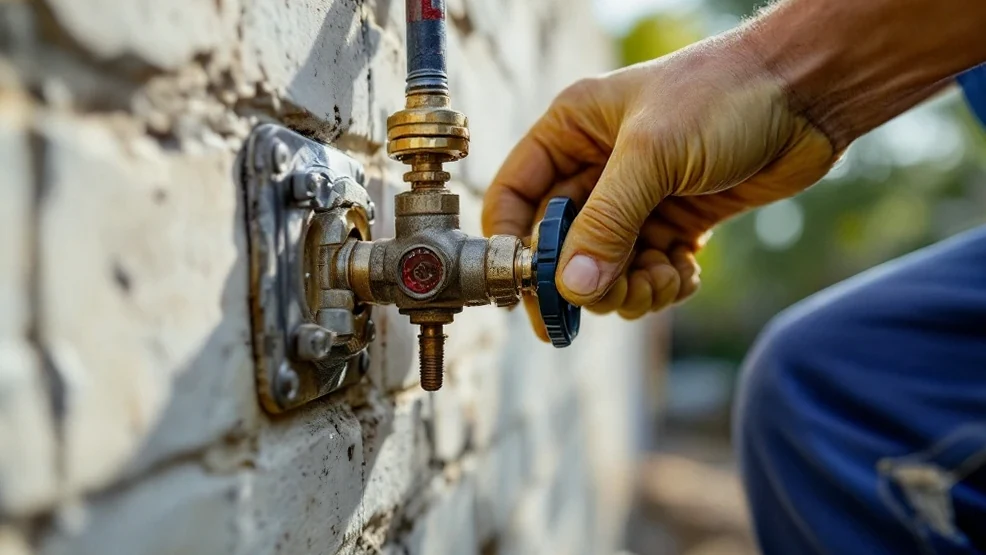
What is Gas Valve Replacement and how does it work?
Gas valve replacement means removing the faulty valve that controls gas flow to your fireplace and installing a new one. It's a job for a licensed pro because you're dealing with gas lines, pilot assemblies, and safety interlocks.
The gas valve is the brain of your fireplace. It opens to let gas through when you turn the switch or remote, and it shuts off if the pilot flame goes out. When that valve sticks, leaks, or stops sending gas, your fireplace either won't light or won't stay lit. A replacement is the only fix once the valve is bad. You can't rebuild them safely.
In Montgomery, we see a lot of these calls in late fall when folks fire up the fireplace for the first time in months. A valve that sat idle all summer can seize up from corrosion or debris. Other times the valve fails because the thermocouple or thermopile wore out and the valve's safety circuit won't let it open. A pro will test those parts first to be sure the valve itself is the problem.
The replacement process involves shutting off the gas, disconnecting the gas line, removing the old valve, and installing the new one. Then comes the critical part: pressure testing the new connection for leaks. Every joint gets soap-and-water tested while the gas is on. If you see bubbles, the fitting isn't tight enough.
Most modern gas fireplaces use a standing pilot valve or an intermittent pilot (IP) valve. Standing pilot valves keep a small flame burning all the time. IP valves only spark when you turn the fireplace on. The replacement procedure is similar, but the wiring and safety circuits differ. A technician will match the exact model and brand to your fireplace. A universal valve might work, but the original manufacturer's part fits and functions best.
The whole job usually takes two to four hours, depending on how easy it is to reach the valve. In some Montgomery homes, the valve is behind a removable panel. In others, you have to pull out the entire firebox or cut an access door. That adds time and cost.
How Gas Valve Replacement works, step by step
A technician starts by shutting off the gas and disconnecting the fireplace from power. Then they remove the old valve, install the new one, reconnect gas and wiring, pressure test for leaks, and relight the pilot. Finally, they test the fireplace through a full on-off cycle.
First, the gas supply gets shut off at the valve on the gas line, not just the fireplace. That's the big handle valve near the unit. Then the tech disconnects the gas line from the old valve using two wrenches so the pipe doesn't twist. Any dirt or old thread sealant gets cleaned off the pipe threads.
Next, they remove the old valve. On most models, the valve is held in place by a bracket or screws. The pilot tube, thermocouple, and thermopile wires all unthread or unclip. The tech labels each wire and tube so nothing gets mixed up during reconnection. A photo with a phone is common practice.
The new valve goes in with fresh pipe thread compound rated for natural gas or propane. Not Teflon tape, which can shred and clog the valve. The tech tightens every fitting to the manufacturer's torque spec, not just hand tight. Then they reconnect the pilot tube, thermocouple, and thermopile. The thermocouple has to be fully seated into the valve body or the safety circuit won't work.
Pressure testing is where most homeowners never see what's happening. The tech turns the gas back on at the shutoff valve and sprays a soap-and-water solution on every connection. If bubbles appear, they tighten the fitting and test again. No bubbles means no leak. Then they light the pilot and watch the flame for a full minute to make sure the thermocouple holds it open.
Finally, they run the fireplace through three complete cycles: off to full flame, then back to off. They check that the flame pattern is even, the logs aren't sooting, and the remote or wall switch responds correctly. If the fireplace has a blower, they test that too. Only then do they call the job done.
Why Gas Valve Replacement matters for your home
A failed gas valve can leak gas or keep your fireplace from lighting. Both are safety hazards. A proper replacement restores safe operation, prevents carbon monoxide risks, and keeps your home warm without wasting gas.
A leaking gas valve is the obvious danger. Even a slow leak can fill a room with gas over hours. In Montgomery, where many homes have gas fireplaces in finished basements or living rooms, that gas can pool near the floor. A spark from a light switch or furnace could ignite it. That's not fear-mongering, it's physics. A new valve eliminates that risk.
A valve that won't open means no heat. In a Montgomery winter, that can leave you without backup heat if your main furnace goes down. Many of our customers rely on the fireplace as a secondary heat source during ice storms or power outages. A dead valve turns that backup into dead weight.
There's also the waste issue. A valve that sticks partially open lets gas flow even when the fireplace is off. You're paying for gas you never use. The smell might tip you off, but not always. A technician can test for internal bypass leaks with a manometer. If the valve passes gas when it shouldn't, it needs to go.
Carbon monoxide is another concern. A faulty valve can cause incomplete combustion, which produces CO. That's especially risky in tight, modern homes with good insulation. A properly functioning valve meters the right amount of gas for the burner, keeping the flame clean and the air safe.
And there's the nuisance factor. A fireplace that won't stay lit or that shuts off randomly is frustrating. You call a repair, pay a trip fee, and the tech finds a bad valve. Then you pay for the part and another visit. Replacing the valve the first time saves that headache.
Common problems and what causes them
Valves fail from corrosion, debris in the gas line, worn-out thermocouples, or electrical shorts in the wiring. In Montgomery, humidity and infrequent use accelerate corrosion. A stuck valve or a valve that won't close are the most common symptoms.
Corrosion is the biggest killer of gas valves in Montgomery. Our humid summers cause moisture to condense inside the valve body, especially if the fireplace sits unused for months. That moisture rusts the internal springs and plungers. By the time you try to light the fireplace in October, the valve is seized shut or won't close all the way. A tech can test it with a multimeter and a manometer to confirm.
Debris in the gas line is another common cause. New construction or remodeling kicks up dust and metal shavings that can get into the gas piping. Those particles lodge in the valve's tiny passages and block gas flow. A gas filter or sediment trap on the line can prevent this, but many Montgomery homes don't have them. A valve that fails from debris often needs replacement plus a line flush.
A bad thermocouple or thermopile can mimic a valve failure. The thermocouple is a safety device that senses the pilot flame. If it's weak, the valve thinks the pilot is out and won't let gas through. A tech will test the millivolt output of those parts before condemning the valve. Replacing a $20 thermocouple is a lot cheaper than a $200 valve. But if the valve itself is worn, no amount of new thermocouples will fix it.
Electrical issues cause intermittent problems. A loose wire or short in the wall switch or remote receiver can make the valve act erratically. The fireplace might turn on by itself or refuse to shut off. That's a wiring fix, not a valve replacement. A good tech traces the circuit and isolates the problem before ordering parts.
Age is a factor too. Gas valves have a service life of about 15 to 20 years. After that, the internal seals dry out and start leaking. If your fireplace is from the 1990s or early 2000s and you've never replaced the valve, it's living on borrowed time. A proactive replacement during a routine service can save you a cold night.
Common questions about Gas Valve Replacement
Need gas fireplace repair in Montgomery? Get a free estimate today.
📞 256-207-5968